Professional Moisture and Mould Solutions for Healthier Homes and Buildings
Wiki Article
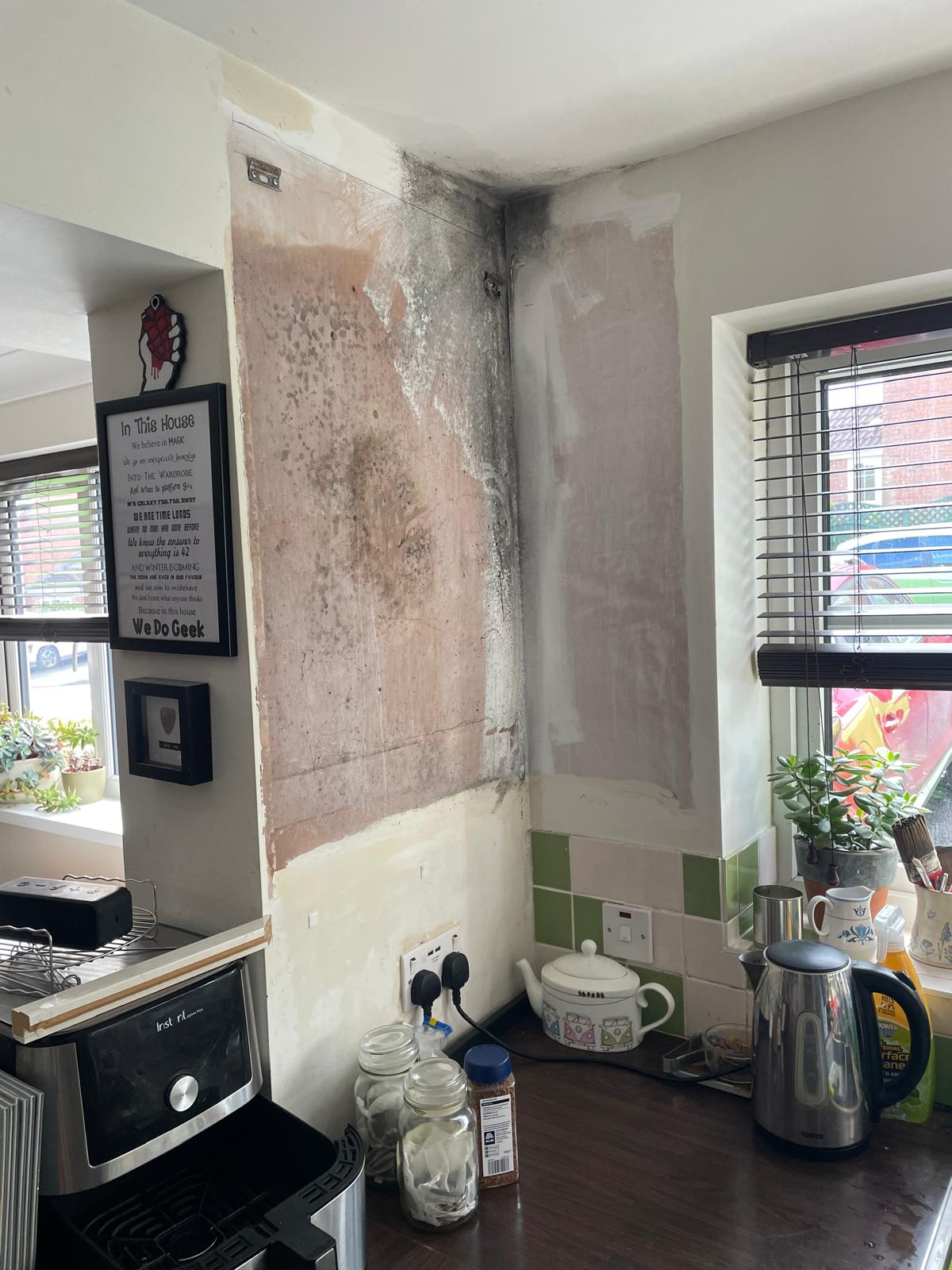
Why Moisture and Mould Problems Should Never Be Ignored
Moisture and mould are more than cosmetic issues; they are indicators of deeper environmental and structural problems within a property. Persistent dampness can weaken building materials, degrade indoor air quality, and create serious health risks for occupants. Many property owners attempt surface-level fixes, but without identifying the root cause, these problems often return. Long-term protection requires expert assessment, strategic planning, and proven solutions designed around the building’s unique conditions.
The Importance of Expert Condensation Control Services
Excess condensation is one of the most common causes of mould growth and damp damage in residential and commercial buildings. Professional condensation control services focus on managing humidity levels, airflow, and temperature balance throughout the property. Condensation typically forms when warm, moisture-laden air meets colder surfaces such as walls, ceilings, and windows.
Effective control methods aim to regulate internal moisture production and improve ventilation pathways rather than simply masking visible symptoms. When condensation is properly managed, surfaces remain dry, mould growth is inhibited, and the internal environment becomes significantly healthier and more comfortable.
Why You Need a Qualified Damp and Moisture Specialist
Moisture-related problems can originate from multiple sources, including condensation, structural defects, or insulation failures. A qualified damp and moisture specialist is trained to accurately diagnose the cause rather than relying on assumptions. Misdiagnosis often leads to ineffective treatments, wasted costs, and ongoing damage.
Specialists assess building fabric, ventilation effectiveness, insulation performance, and moisture movement within the structure. Their expertise ensures that the correct solution is applied, whether the issue is condensation-related or linked to deeper construction concerns.
The Role of a Professional Damp and Moisture Survey
A comprehensive damp and moisture survey is the foundation of any effective remediation strategy. This detailed inspection evaluates moisture levels, identifies vulnerable areas, and highlights underlying causes of damp or mould. Surveys are particularly important before undertaking retrofit work or major insulation upgrades.
The findings of a damp and moisture survey provide clarity and direction, allowing property owners to make informed decisions. By addressing the real cause of moisture problems, long-term damage and repeated repair cycles can be avoided.
Understanding Mould Growth and Its Impact on Health
Mould thrives in environments where moisture, warmth, and poor ventilation combine. Once established, it spreads quickly across walls, ceilings, and furnishings, releasing spores into the air. These spores can trigger respiratory issues, allergies, and other health concerns, particularly for children and vulnerable individuals.
Mould growth is not a standalone issue; it is a symptom of excess moisture. Addressing mould effectively requires controlling humidity and improving airflow, rather than repeatedly cleaning visible patches.
Effective Mould Prevention Starts with Moisture Control
True mould prevention focuses on creating conditions where mould cannot survive. This involves maintaining balanced indoor humidity, eliminating cold surfaces where condensation forms, and ensuring consistent air movement throughout the property. Preventative strategies are always more cost-effective than reactive treatments.
By combining moisture diagnostics with tailored ventilation and insulation solutions, mould risks can be dramatically reduced. Prevention not only protects the building but also improves occupant wellbeing and long-term property value.
How to Prevent Mould in Bathroom Areas
Bathrooms are among the highest-risk areas for mould due to frequent moisture generation from showers and baths. To prevent mould in bathroom environments, moisture must be removed quickly and efficiently. Poor airflow allows steam to linger, leading to condensation on walls, ceilings, and tiles.
Improving ventilation performance and controlling humidity levels are key to keeping bathroom surfaces dry. When moisture is consistently managed, mould struggles to take hold, even in high-use areas.
Proven Methods to Prevent Mould on Walls
Cold walls are a common condensation point, especially in older or poorly insulated buildings. To prevent mould on walls, surface temperatures must be raised and internal humidity controlled. Without addressing these factors, mould will repeatedly return regardless of cleaning efforts.
Insulation improvements combined with effective ventilation help stabilize wall temperatures and reduce moisture accumulation. This approach ensures walls remain dry and resistant to mould growth throughout the year.
Long-Term House Mould Prevention Strategies
Successful house mould prevention requires a whole-building approach rather than isolated fixes. Different rooms interact with one another, and moisture produced in one area can affect the entire property. Kitchens, bathrooms, bedrooms, and roof spaces all play a role in overall humidity levels.
By implementing coordinated moisture control measures, including ventilation upgrades, insulation improvements, and professional assessments, properties can achieve consistent and lasting protection against mould.
How Retrofit Flat Roof Insulation Supports Moisture Management
Roof structures play a critical role in moisture control, particularly in buildings with flat roofs. Poorly insulated roofs create cold surfaces that encourage condensation within the roof structure and internal spaces. Retrofit flat roof insulation improves thermal performance and reduces temperature differences that lead to moisture formation.
When correctly designed, retrofit insulation works alongside ventilation systems to prevent trapped moisture. This not only enhances energy efficiency but also protects roof materials from long-term damp-related deterioration.
The Connection Between Insulation, Ventilation, and Moisture Control
Insulation alone cannot solve moisture problems and may even worsen them if ventilation is inadequate. Effective moisture management relies on the balance between insulation performance and airflow. When warm air is retained without a clear escape route for moisture, condensation becomes inevitable.
Integrating insulation upgrades with ventilation planning ensures that buildings remain warm, dry, and breathable. This balanced approach is essential for preventing condensation and mould while improving overall building efficiency.
Protecting Property Value Through Proactive Moisture Solutions
Unresolved damp and mould issues can significantly reduce property value and increase maintenance costs. Buyers and tenants are increasingly aware of indoor air quality and building health, making moisture control a key factor in long-term asset protection.
Proactive investment in professional surveys, expert assessments, and targeted improvements helps safeguard both the structure and reputation of a property. Prevention-focused strategies provide peace of mind and measurable long-term benefits.
A Smarter Approach to Moisture and Mould Prevention
Moisture problems require expertise, precision, and a holistic understanding of building performance. By combining condensation control services, specialist assessments, professional surveys, mould prevention strategies, and retrofit flat roof insulation, property owners can achieve lasting protection against damp and mould.
Healthy buildings start with informed decisions and expert solutions that address the cause, not just the symptoms.